Are ATV Snow Tires Overrated?
Since starting Tread Talk on our YouTube channel, we’ve gotten a lot of questions in the comments about snow tires. Now that winter is about here, we thought it might be time to answer this once and for all!
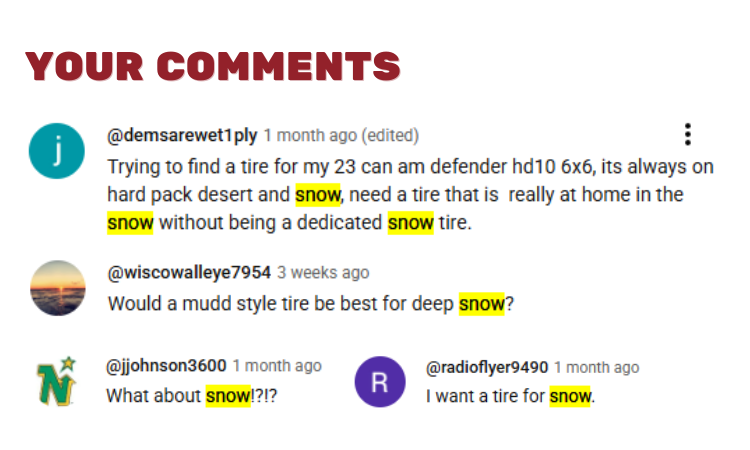
Do you really need dedicated snow tires? Or can a good all-terrain handle snow just fine?
Let’s break down what actually matters when it comes to winter traction!
Why Snow Tires Exist
Snow tires are purpose-built for cold conditions. They use softer rubber compounds that stay flexible below freezing, helping the tread maintain grip.
They also have deep, directional tread patterns designed to dig and throw snow for maximum traction.
If you’re regularly riding in deep powder, nothing can match a true snow tire.
Well, almost nothing… but we’ll get to that!
What Makes a True Snow Tire
The Maxxis 4-Snow is a great example.
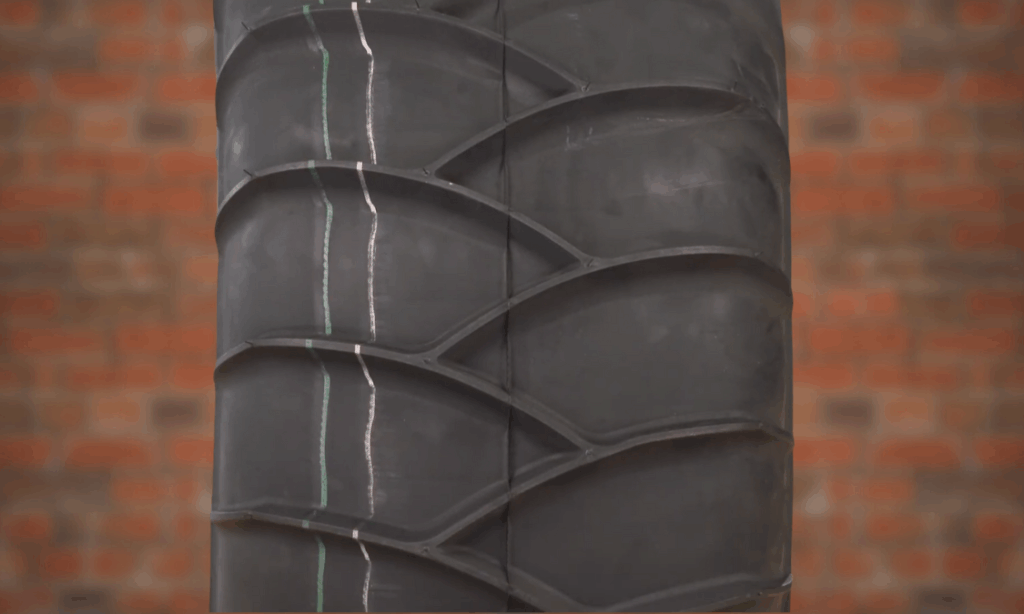
Its ultra-soft compound expands as it spins, up to 40% more surface area for better grip in snow and ice.
That flexibility makes it perfect for racing, plowing, or carving through drifts. However, it also wears quickly on hardpack or pavement.
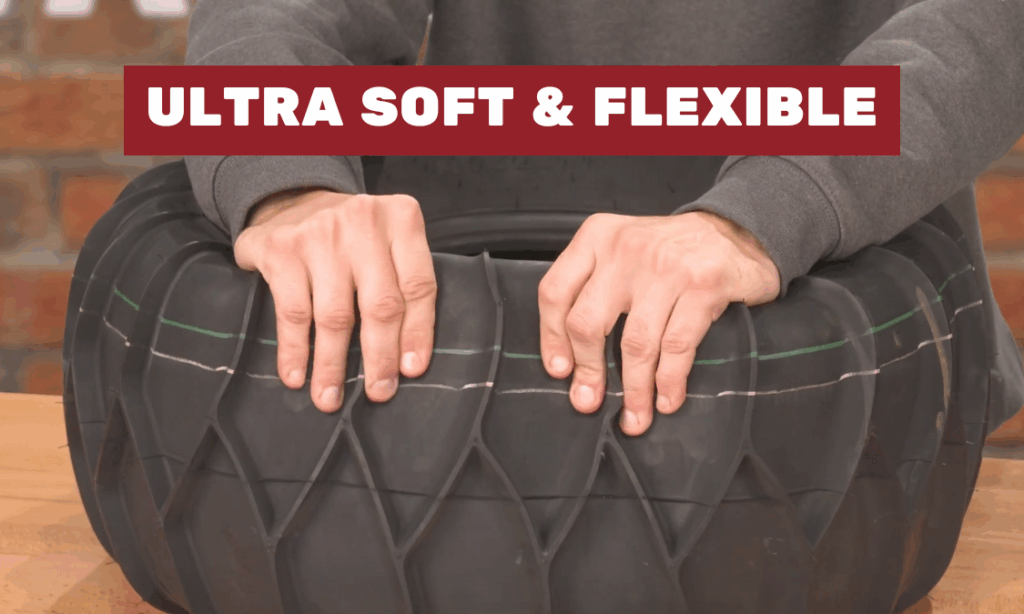
It’s a specialty tire built for riders who spend most of their season in snow, not a year-round option.
When an All-Terrain Tire Is Enough
For most riders, an all-terrain tire is the smarter choice. Take a look at the Kenda Bear Claw for example.
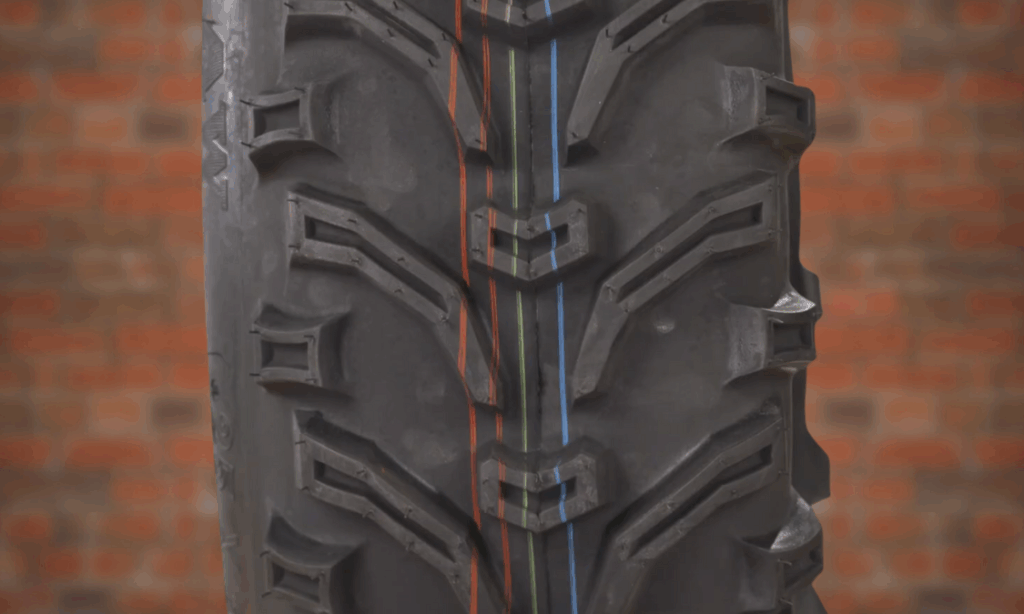
A quality option like the Kenda Bear Claw performs surprisingly well in snow as it has:
- Deep, self-cleaning lugs that shed packed snow
- Directional V-shaped tread for traction in ruts
- Durable rubber that lasts longer on mixed terrain
The trade-off? It’s not as flexible in extreme cold.
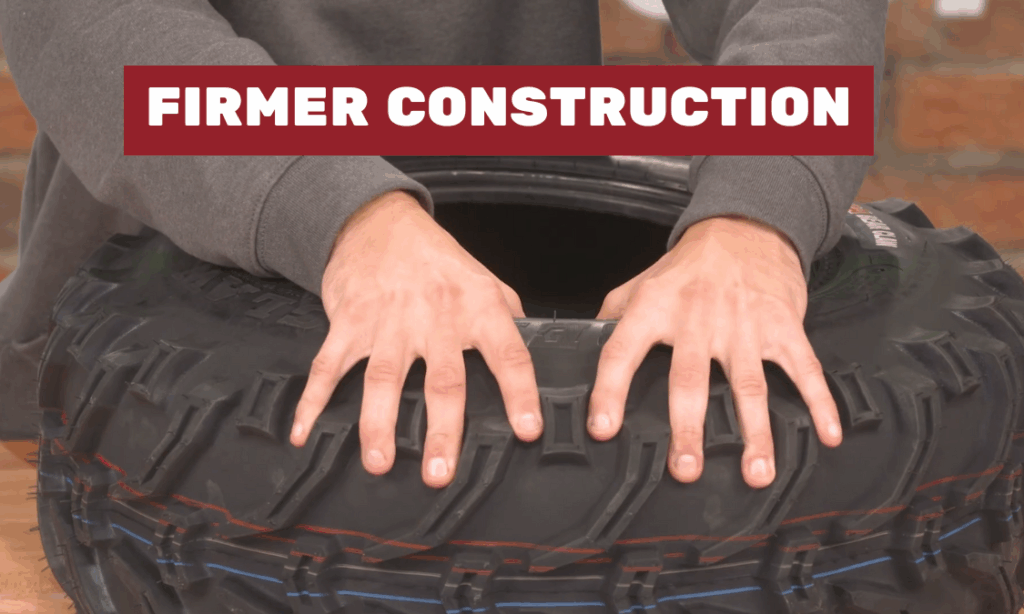
But for weekend riders or anyone facing mixed conditions, it’s a great balance of performance and longevity.
Quick Tip: Adjust Tire Pressure
If you want more traction in snow, you might not need new tires at all. Try lowering your PSI a few pounds to help your tires spread out and float on snow rather than dig in.
Just don’t go too low, always check your ATV’s manual first.
Tip: Lower PSI = Better Floatation | Check your manual before adjusting
When You Need Maximum Traction
Even the best tire has limits. If you’re riding on ice, steep hills, or plowing, tire chains are a game-changer.
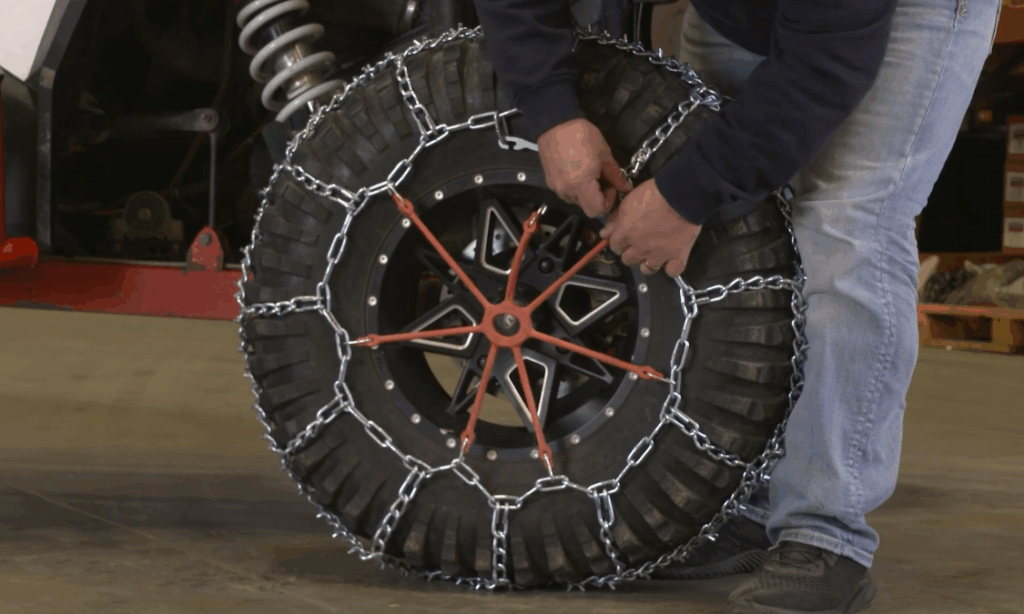
Chains bite into the surface where rubber can’t, giving you unbeatable grip. Just make sure your machine has enough clearance and always follow manufacturer guidelines.
| Setup | Ideal Use | Trade-Off | Traction |
|---|---|---|---|
| All-Terrain Tire | Year-round mix, occasional snow | Less traction in deep snow | Good |
| Snow Tire | Deep, cold conditions | Wears fast on pavement | Better |
| Tire Chains | Ice, plowing, steep terrain | Slower speed, rough ride | Best |
Which Setup Is Right for You?
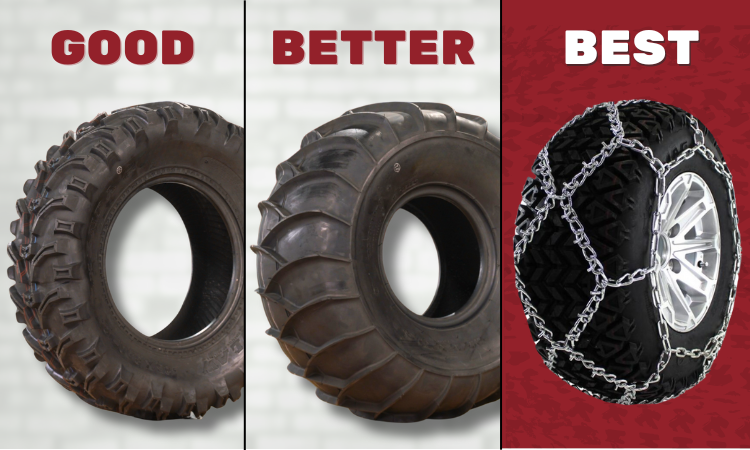
- Year-round riding with some snow? Go with a reliable all-terrain like the Kenda Bear Claw.
- Ride all winter? Choose a dedicated snow tire like the Maxxis 4-Snow.
- Need extreme grip on ice or steep slopes? Add tire chains for maximum traction.
The Bottom Line
Dedicated snow tires are excellent—for riders who truly need them. But for most, they’re overkill.
A well-designed all-terrain tire can handle a variety of winter conditions, and a small PSI adjustment or a set of chains can make a huge difference.
So before you spend the money, think about how and where you actually ride. You might just save yourself a few hundred bucks.
Next Up: Understand Tread
Choosing the right tire isn’t just about snow vs. all-terrain, it’s about tread pattern. Different tread designs completely change how your ATV handles mud, rock, sand, and snow.
👉 Read our Tread Pattern Guide to see which style fits your riding terrain best.